


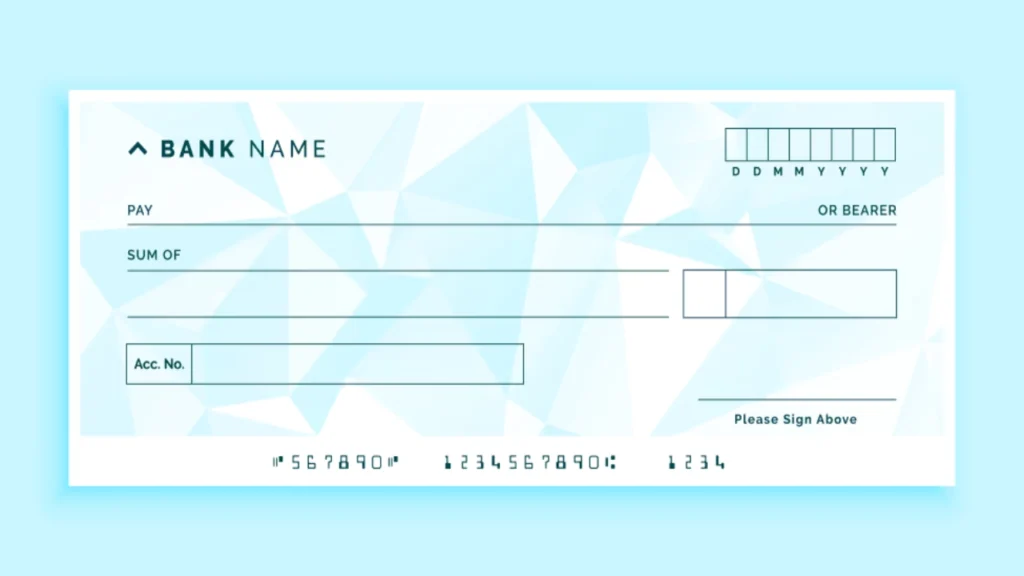
Check fraud is one of the most common ways for businesses to lose money on transactions that look regular. Verifying a check before accepting it, whether it’s a customer payment, a vendor refund, or a payroll deposit helps to catch the problem before funds are actually gone. Small businesses specifically need to verify a check online or offline, due to limited funds in the initial phase. Moreover, both banks and third-party websites offer fee and subscription based check verification offers.
What Is Check Verification?
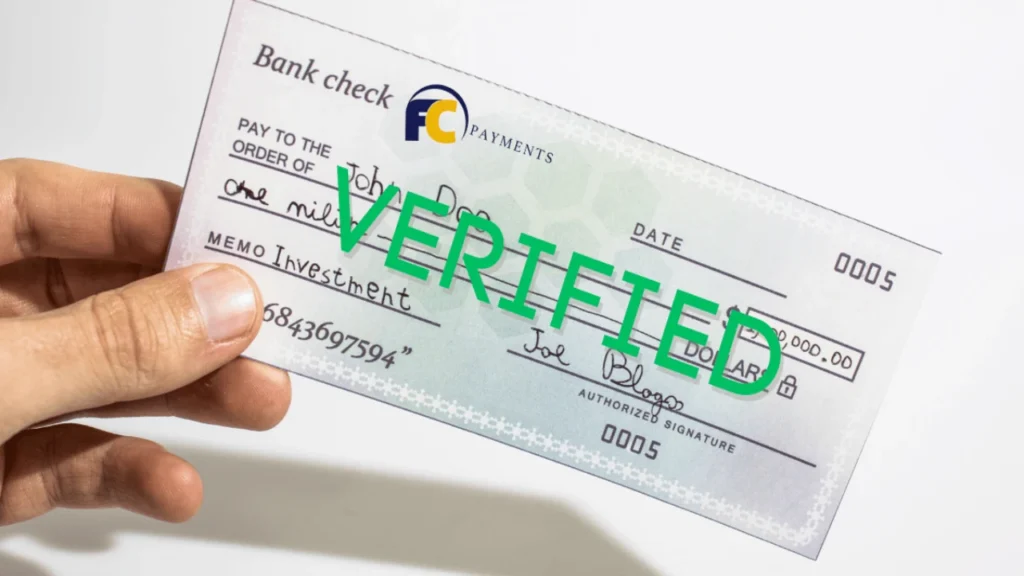
Check verification is the process of confirming that a check is legitimate and that the account it’s drawn on is open, in good standing, and likely to have funds available to cover the amount. It doesn’t guarantee a check will clear, since account balances can change between verification and deposit, but it significantly lowers the odds of accepting a check that bounces or was written on a closed or fraudulent account.
Most verification methods fall into two categories: confirming the check itself is real (not counterfeit or altered), and confirming the account behind it is valid. A thorough verification process typically touches both.
Why Check Verification Matters for Businesses
A bounced or fraudulent check isn’t just a lost sale. Depending on the bank, a business can also face returned-item fees, and recovering the money afterward, if it’s recoverable at all, often takes far more staff time than the original transaction. For businesses that accept a high volume of checks, even a small percentage of fraud checks can add up to a significant loss over a year.
Verification is especially for larger transactions, first-time customers, out-of-state checks, or any payment that feels rushed or pressured, all of which are common patterns in check fraud attempts.
Options to Verify a Check Online
Businesses can use these options to verify the checks online through online and offline methods.
Contacting the Issuing Bank
The most direct method is calling the bank listed on the check and asking whether the account is open and has sufficient funds. Many banks offer an automated line for this, though some will only confirm that an account exists, not the current balance. This method works, but it’s slow for a business processing more than a handful of checks, and a “yes” at the time of the call doesn’t guarantee the funds will still be there once the check is deposited.
Third-Party Check Verification Services
Dedicated check verification services check the account and routing number against databases of closed accounts, reported fraud, and businesses’ own histories of bad checks from repeat offenders. These services return a fast approve-or-decline response, similar to a credit card authorization, and are the closest thing to a real-time answer available for check transactions. Coverage and accuracy vary by provider, and most charge a per-transaction or subscription fee.
Bank Account Verification Tools
Separate from check-specific databases, account verification tools confirm that a bank account is open, active, and belongs to the name on the check, generally with the customer’s consent through a secure link. These tools are commonly used for setting up recurring ACH payments but can also support one-time check or check-to-ACH transactions.
Positive Pay Through a Business Bank Account
Positive Pay is a service offered by many business banks where a company uploads a list of checks it has issued, including the amount and payee. When a check comes in for payment, the bank matches it against that list and flags anything that doesn’t match. This method protects a business from fraud on checks it wrote, rather than checks it’s accepting from customers, but it’s beneficial mentioning since the two often get confused.
Payment Processor Check Verification Tools
Many payment processors offer check verification as part of a broader payment acceptance package, sometimes bundled with check-to-ACH conversion, which turns a paper check into an electronic transaction and can speed up settlement. This route is often the most practical for businesses that already process other payment types and want check acceptance handled through the same system rather than a separate standalone tool.
Free vs. Paid Check Verification Options
Free options tend to work best for occasional, lower-dollar checks, while paid services generally make more sense once check volume or transaction size increases enough that the fee is smaller than the risk being avoided.
| Method | Cost | Speed |
|---|---|---|
| Calling the Issuing Bank | Free | Slow |
| Third-Party verification service | Per-transaction or subscription fee | Fast |
| Bank Account verification tools | Often Subscription based | Fast |
| Positive Pay | Generally included with a business account | Same-day |
| Payment Processor Tools | Depends on the provider | Fast |
Signs of a Fraudulent Check
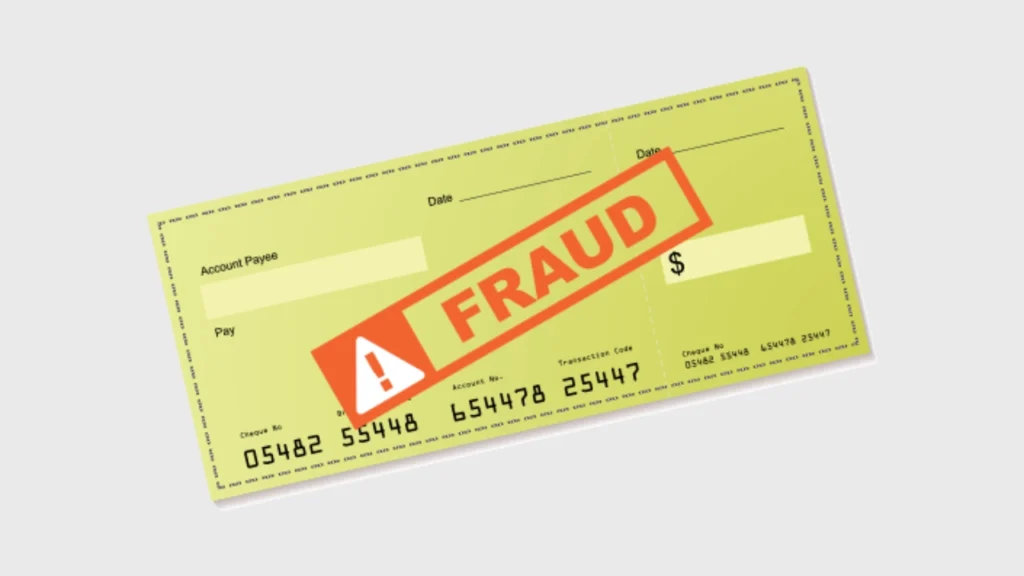
Online verification tools catch a lot, but a quick visual check is still beneficial doing before a check is deposited or handed off for verification. Common suspicions include:
- Blurry or uneven printing, especially around the bank’s logo or routing numbers.
- A routing number that doesn’t match the bank named on the check.
- Missing or oddly placed security features, such as a watermark or microprinting along the signature line.
- A sequence number that’s unusually low for what should be an established business account.
- Any pressure to accept the check quickly or waive a standard verification step.
NOTE: None of these guarantee fraud on their own, but more than one at once is a reasonable signal to verify more carefully before accepting the payment.
Best Ways for Verifying Checks
To save the business from any fraud transaction, these ways can be considered and are helpful most of the times.
- Verify before, not after, the transaction is complete. Once goods or services are already provided, there’s little recourse if the check turns out to be bad.
- Ask for identification that matches the name printed on the check, particularly for first-time or in-person customers.
- Set a threshold for which transactions require verification, since it may not be practical for very small amounts but is generally beneficial it above a certain dollar figure.
- Keep records of verification results in case a dispute or chargeback-style claim comes up later.
- Use consistent verification for every check above the threshold, rather than relying on judgment calls on that moment, since fraud attempts are often designed to look ordinary.
How a Payment Processor Fits Into Check Verification
For businesses processing a meaningful volume of checks, handling verification through the same platform used for card or ACH payments tends to be more organised than joining a completely separate tool. Secure Merchant Solution works with businesses to set up payment processing that fits how they actually accept payments, and check verification and check-to-ACH conversion are common pieces of that setup for businesses that still see regular check volume. Reviewing current check-handling processes against these options is a reasonable place to start for any business looking to reduce risk without slowing down the checkout process.
Frequently Asked Questions
A third-party check verification service or a payment processor’s built-in verification tool typically returns the fastest result, often within seconds, compared to calling the issuing bank directly.
No, verification confirms an account is open and, depending on the method, that funds appear available at that moment. Account balances can still change before a check is deposited and cleared.
Calling the issuing bank is generally free, though some banks limit what they’ll confirm. Third-party verification services and payment processor tools usually charge a per-transaction or subscription fee.
Most verification tools require the routing number, account number, check number, and the amount, all of which are printed on the check itself.
Check verification confirms a check a business is accepting from someone else. Positive Pay protects checks a business has already issued by matching them against a bank’s records before they’re paid out.
It depends on volume and risk tolerance. Many businesses set a dollar threshold, verifying only checks above a certain amount, since verification costs and time may not be beneficial for very small transactions.

Join the conversation
Have something to add? Share your thoughts below.