



Online sellers never see the card. This makes card-not-present (CNP) transactions particularly vulnerable to fraud. Square’s 2024 data puts it at 73% of US card payment fraud, up from 57% in 2019.
Merchants usually bear the cost. They lose the sale, the goods, and a chargeback fee. Effective card-not-present fraud prevention helps limit these losses. Sellers that add threat intelligence can detect CNP fraud earlier in the order flow.
How Can Card-Not-Present Fraud Be Prevented?

No single tool works alone. Merchants build layers: card checks, authentication for risky orders, live monitoring, tokenization, and dispute records. Each layer catches what the one before it missed.
Cost is usually the first concern for merchants building a card-not-present fraud prevention strategy, alongside whether threat intelligence can flag risk before checkout happens.
CNP Fraud Detection and Prevention
Basic checks come first. They cost little to run.
- Address verification (AVS): The issuer compares the billing address with its records. Many merchants decline full mismatches and review partial matches.
- Card Verification Value (CVV): Require the security code where applicable. PCI DSS prohibits storing card verification codes after authorization, even if encrypted. Requiring a CVV can help detect suspicious transactions, but it does not guarantee that the buyer is legitimate.
- Velocity checks: Flag many orders from one device, card, or address in a short time.
These checks form the foundation of card-not-present fraud prevention. They help merchants identify basic fraud attempts. Combining them with threat intelligence can help detect more sophisticated attacks that pass initial checks.
Card Not Present Transaction Security With 3D Secure
3D Secure asks the card issuer to confirm the buyer’s identity. Low-risk orders pass quietly. Riskier ones get a challenge, such as a one-time code.
Liability is one potential benefit. Eligible transactions authenticated through 3D Secure may qualify for a liability shift under the applicable card network rules. This generally concerns qualifying fraud-related disputes, not claims involving undelivered goods or product quality. The outcome depends on the network rules, authentication result, transaction type, and any applicable exemptions. Merchants should confirm the terms with their payment processor.
Authentication is one way to reduce CNP fraud. Combining 3D Secure with threat intelligence helps merchants assess risk at multiple stages of the payment process.
Can Threat Intelligence Prevent Card-Not-Present CNP Fraud?
Threat intelligence provides early warnings by tracking compromised cards, exposed payment data, malicious infrastructure, and emerging attack patterns, including information from dark web sources.
When integrated with payment controls, threat intelligence can help merchants identify suspicious transactions before they result in chargebacks. Consider BIN attacks. Fraudsters use bank identification number (BIN) information and automated tools to generate or test card details through repeated authorization attempts. They analyze the responses to identify potentially valid card numbers.
By integrating relevant threat intelligence into payment controls, merchants may be able to flag or block some card-testing attempts early. Depending on their processor’s capabilities, they can apply additional checks or restrictions to suspicious cards, IP addresses, and devices.
Real-Time Payment Fraud Monitoring
Real-time monitoring evaluates each order as it arrives. Useful signals include repeated declines from one device, IP locations that differ from the billing country, and new accounts placing unusually large first orders.
Effective CNP fraud prevention uses these signals to identify suspicious behavior. Combining real-time monitoring with threat intelligence can improve risk assessments and help reduce unnecessary declines when the rules are properly calibrated. Payment fraud detection software often includes these capabilities.
CNP Transaction Risk Management

Fraud prevention for card-not-present transactions should fit the business. Risk patterns differ across industries, customer groups, and payment methods.
Set review thresholds and test them regularly, ideally every month or whenever fraud patterns change. The best approach balances security with conversion rates.
Teams also ask whether threat intelligence can help prevent CNP fraud without requiring additional staff. Although automated tools can flag suspicious activity, staff may still need to investigate alerts and review high-risk transactions. Risk teams can use threat intelligence to refine detection rules and prioritize the most relevant alerts.
Secure Online Payment Processing With Tokenization
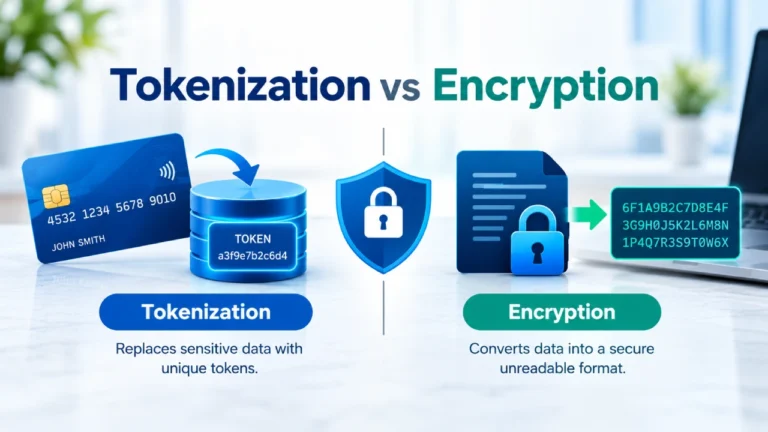
Tokenization replaces card numbers with tokens. A breach of the merchant’s database is then far less likely to expose usable card data, provided the tokens cannot be used to recover or misuse the original card details. Tokens may reduce PCI DSS scope, but they do not remove it.
Tokenization supports CNP fraud prevention at the storage level. Pairing tokens with threat intelligence adds protection at both the storage and checkout stages.
Chargeback Fraud Prevention Solutions
Some fraudulent transactions will still get through, and strong chargeback prevention depends on having the right evidence ready when they do. Retain relevant order details, delivery confirmation, applicable IP and device information, and 3D Secure results as dispute evidence. Collect and retain this information in accordance with applicable privacy laws, security requirements, and data-retention policies. Evidence requirements vary by dispute reason and card network.
Maintaining organized evidence and analyzing recurring fraud patterns can help merchants respond to disputes and reduce repeat losses. Combined with threat intelligence, these practices support continuous improvements to CNP fraud prevention.
Strong card-not-present fraud prevention combines card checks, 3D Secure, live monitoring, tokens, and good records. Threat intelligence adds another layer by helping merchants identify suspicious cards, devices, and attack patterns earlier. The answer to preventing CNP fraud is a layered approach rather than a single tool. Regularly reviewing detection rules and adapting to emerging threats is essential to maintaining effective payment security.
Frequently Asked Questions
Use several layers: AVS and CVV checks, 3D Secure, live monitoring, tokenization, and threat data.
In part. Merchants that use processor alerts alongside threat intelligence can often catch CNP fraud earlier, but no feed stops every attack.
It includes AVS and CVV checks, 3D Secure, monitoring, tokens, and dispute records. Adding threat intelligence can help sellers catch CNP fraud sooner.
Card-present fraud involves a physical card used at a terminal. Card-not-present fraud happens in online, phone, or mail transactions, where the merchant can’t verify the card directly, making it easier for fraudsters to exploit.
Typically, the merchant, including the goods, the transaction amount, and the chargeback fee. 3D Secure can shift liability to the card issuer for qualifying disputes, depending on the network rules and authentication outcome.
Costs vary, but losses generally include the goods shipped, the transaction amount, and chargeback fees. Frequent chargebacks can also raise a merchant’s risk category and processing costs over time.



Join the conversation
Have something to add? Share your thoughts below.